Community workshops have the power to bring people together, share knowledge, and strengthen local connection. When planned well, they do more than fill a time slot on a calendar. They create experiences that feel welcoming, purposeful, and worth returning to.
In Ipswich, community workshops play an important role in supporting families, young people, and individuals at different stages of life. Whether the goal is creativity, learning, wellbeing, or social connection, an inspiring workshop starts with thoughtful planning and a clear understanding of who it is for. Organisations like YMCA Community regularly create spaces where these workshops can thrive, offering inclusive environments that encourage participation rather than performance.
Planning a successful community workshop does not require a large budget or complex setup. It requires clarity, intention, and an approach that puts people first.
What makes a community workshop inspiring?
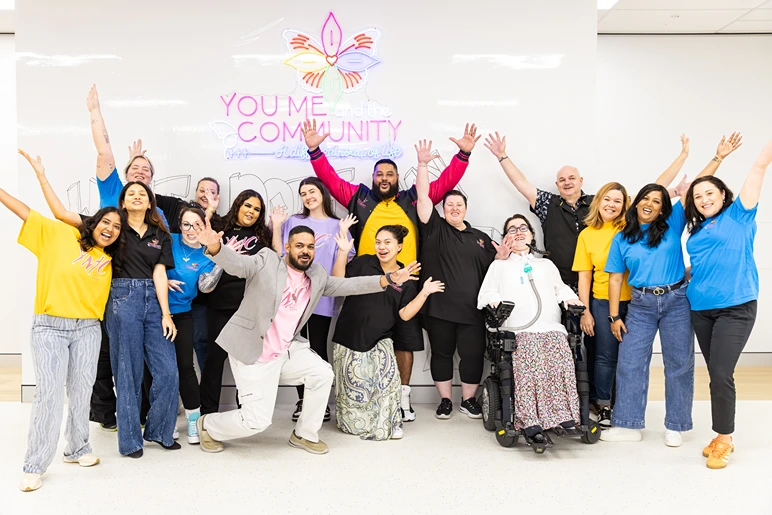
An inspiring workshop is one where participants feel comfortable, engaged, and valued. It leaves people feeling that their time was well spent and that they gained something meaningful, whether that is a new skill, a new connection, or a sense of belonging.
Inspiring workshops often share a few key qualities:
- Clear purpose, so participants understand why the workshop exists and what they will gain.
- Inclusive design, making it accessible to people of different backgrounds, ages, and abilities.
- Active participation, rather than passive listening.
When these elements are in place, workshops tend to feel energising rather than draining.
Start with a clear purpose and audience
Every strong workshop begins with clarity. Before planning activities or booking a space, it is important to define who the workshop is for and what it aims to achieve.
Defining your audience
Community workshops can serve many groups, including families, young people, older adults, carers, or mixed-age participants. Being specific helps shape every decision that follows.
Ask yourself:
- Who is this workshop designed for?
- What needs or interests does this group have?
- What barriers might prevent participation?
Understanding your audience helps ensure the workshop feels relevant rather than generic.
Setting a meaningful goal
A workshop goal does not need to be complicated. It should clearly state what participants will walk away with.
Effective goals might focus on:
- Learning a practical skill
- Exploring a creative activity
- Building confidence or connection
- Sharing information in an accessible way
Clear goals help facilitators stay focused and give participants a reason to attend.
Choosing the right space for your workshop
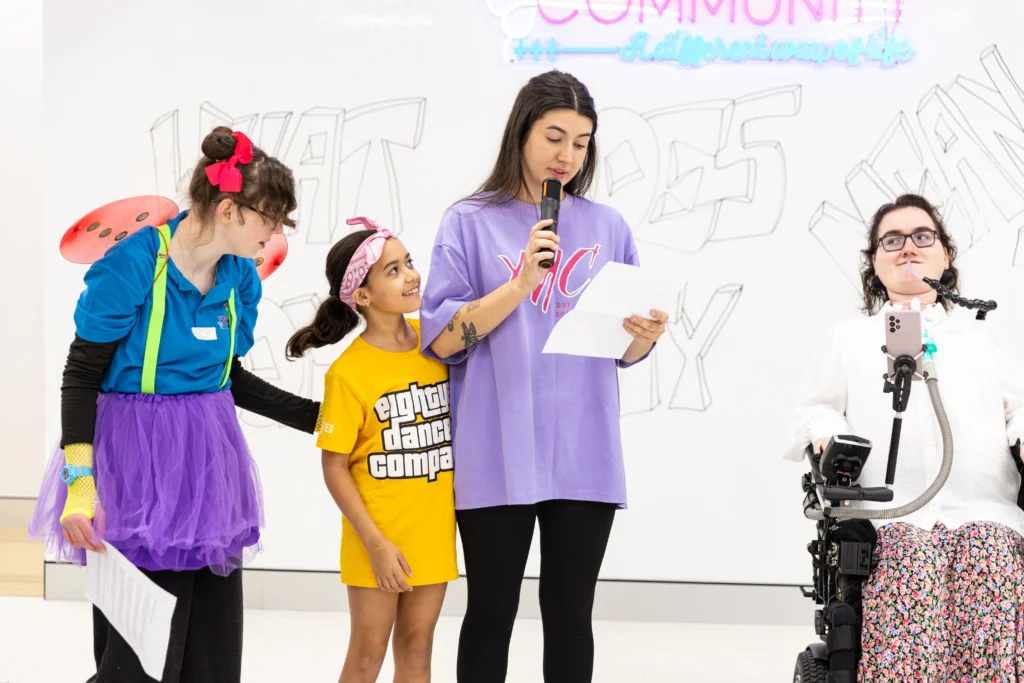
The environment plays a significant role in how a workshop feels. A welcoming, well-equipped space can encourage participation, while an unsuitable venue can create barriers.
Community spaces like the Legacy Hub, operated by YMCA Community, are designed to support group activities and workshops. They offer flexible layouts, accessible facilities, and a setting that feels familiar to many local families and individuals.
What to look for in a workshop venue
When selecting a space, consider:
- Accessibility, including parking, public transport, and physical access.
- Flexibility, so the space can be arranged to suit the activity.
- Comfort, including lighting, temperature, and seating options.
A good venue helps participants relax and focus on the experience rather than the logistics.
Designing activities that encourage participation
Workshops are most effective when participants are actively involved. Long presentations or lectures can make people disengage, especially in community settings.
Balancing structure and flexibility
An inspiring workshop usually has a loose structure rather than a rigid timetable.
This might include:
- A short welcome and introduction
- One or two core activities
- Time for discussion, reflection, or informal interaction
Leaving room for flexibility allows facilitators to respond to the group’s energy and needs.
Making activities inclusive
Inclusive activities allow people to participate at their own comfort level.
This can be achieved by:
- Offering choices, so participants can engage in different ways.
- Avoiding jargon, keeping language clear and approachable.
- Encouraging collaboration, rather than competition.
These approaches help participants feel safe to contribute, even if they are new or unsure.
The role of facilitators in inspiring workshops
The facilitator plays a key role in setting the tone of a workshop. Participants often respond more to how they are welcomed than to the content itself.
Creating a welcoming atmosphere
Effective facilitators:
- Greet participants warmly as they arrive
- Explain what will happen and what is expected
- Reassure people that there is no right or wrong way to take part
This helps reduce anxiety and encourages participation from the start.
Guiding rather than directing
In community workshops, facilitators work best when they guide rather than control.
This involves:
- Encouraging conversation and questions
- Allowing participants to share experiences
- Being responsive to group dynamics
This approach supports connection and shared learning.
Planning for different ages and abilities
Many community workshops attract participants with varying needs. Planning for this diversity helps ensure everyone feels included.
Supporting mixed-age groups
Workshops that welcome families or mixed-age participants benefit from:
- Activities that can be adapted in difficulty
- Opportunities for collaboration between ages
- Clear explanations that suit both children and adults
Community spaces like YMCA Community often design programs with this flexibility in mind, drawing on experience from family events and celebrations such as kids birthday party Ipswich.
Considering additional needs
Accessibility should be part of planning from the beginning.
This includes:
- Clear signage and instructions
- Options for quieter participation
- Staff or volunteers available to offer support
Inclusive planning helps remove barriers that might otherwise prevent attendance.
Promoting your workshop effectively
Even the most inspiring workshop needs clear communication to attract participants. Promotion should focus on clarity rather than hype.
What to communicate clearly
Good workshop promotion explains:
- Who the workshop is for
- What participants will do
- When and where it takes place
- Whether it is free or low-cost
Clear information helps people decide quickly whether the workshop suits them.
Reaching the right audience
Community workshops are often best promoted through:
- Local community websites and noticeboards
- Social media groups relevant to the audience
- Word of mouth through existing networks
Consistent messaging helps build trust over time.
Creating opportunities for connection
One of the most valuable outcomes of a community workshop is connection. Planning time for informal interaction helps relationships form naturally.
Building connection into the workshop
This might include:
- A short welcome activity where participants introduce themselves
- Group discussions or shared tasks
- Time at the end for conversation
These moments often matter as much as the workshop content itself.
Linking workshops to wider community support
Workshops can act as entry points to broader community engagement. Participants who feel welcomed are more likely to explore other programs and services.
YMCA Community supports this pathway through initiatives such as community outreach, which help individuals connect with ongoing support, activities, and local networks.
Workshops that link to wider opportunities help sustain engagement beyond a single session.
A practical community workshop planning checklist
Planning a community workshop is easier when you break it into clear, manageable steps. This checklist focuses on what matters most, without adding unnecessary complexity.
1. Define the purpose of the workshop
Be clear about what the workshop is aiming to achieve. Whether it is skill-building, creativity, wellbeing, or connection, a clear purpose helps guide decisions and communicate value to participants.
2. Identify the target audience
Decide who the workshop is for and consider their needs, interests, and potential barriers to attendance. This ensures the content, timing, and format feel relevant and accessible.
3. Choose a suitable venue
Select a space that is accessible, comfortable, and appropriate for the activity. Consider layout flexibility, amenities, and whether the environment supports participation and connection.
4. Plan inclusive activities
Design activities that encourage participation at different comfort levels. Offer options, keep instructions clear, and allow room for interaction rather than focusing solely on outcomes.
5. Prepare materials in advance
Keep materials simple and easy to use. Check quantities and have a few extras available to avoid disruption during the session.
6. Set a realistic session length
Choose a timeframe that suits the audience and activity. Short, focused workshops often keep participants engaged and make attendance more manageable.
7. Communicate clearly with participants
Share essential information in advance, including time, location, what to expect, and whether the workshop is free or low-cost. Clear communication builds confidence and trust.
8. Allow time for connection
Build in moments for informal conversation, reflection, or group discussion. These interactions often become the most valuable part of the workshop experience.
9. Plan for support and facilitation
Ensure facilitators or volunteers understand their role and are prepared to guide rather than direct. A supportive presence helps participants feel comfortable and included.
10. Gather feedback for future sessions
After the workshop, take time to reflect and gather feedback. This helps improve future sessions and ensures workshops continue to meet community needs.
Evaluating and improving future workshops
Reflection is an important part of planning inspiring workshops. Gathering feedback helps improve future sessions and respond to community needs.
Simple ways to gather feedback
Feedback does not need to be formal or complex.
It can include:
- Informal conversations at the end of the session
- Short written feedback forms
- Follow-up messages asking for thoughts
Listening to participants helps workshops evolve and remain relevant.
Frequently Asked Questions about planning community workshops
Do community workshops need a large budget to be effective?
No, many successful workshops are free or low-cost. Clear planning, a welcoming space, and thoughtful activities matter more than expensive materials. YMCA Community can support affordable workshop delivery.
How long should a community workshop run?
Workshops are most effective when they respect participants’ time. Short, focused sessions often work better than lengthy programs. YMCA Community can help determine suitable session lengths.
What if people are hesitant to participate?
A warm welcome and clear explanation help ease hesitation. Offering different ways to engage also supports confidence. YMCA Community facilitators are experienced in creating inclusive environments.
Can workshops suit both children and adults?
Yes, with flexible activities and clear guidance, workshops can work well for mixed-age groups. YMCA Community regularly designs programs with this adaptability in mind.
How do I choose the right venue?
The right venue should be accessible, comfortable, and suited to the activity. Community spaces like those managed by YMCA Community are designed to support workshops of different types.
Ready to plan a community workshop?
Planning a community workshop that inspires starts with clear purpose, inclusive design, and the right support. When people feel welcome and involved, workshops become meaningful experiences rather than one-off events.
If you are planning a workshop and want guidance on spaces, facilitation, or community engagement, availability can change quickly. To discuss your idea and explore suitable options, get in touch today with the YMCA Community team. They can help you shape a workshop that supports connection and inspires participation.