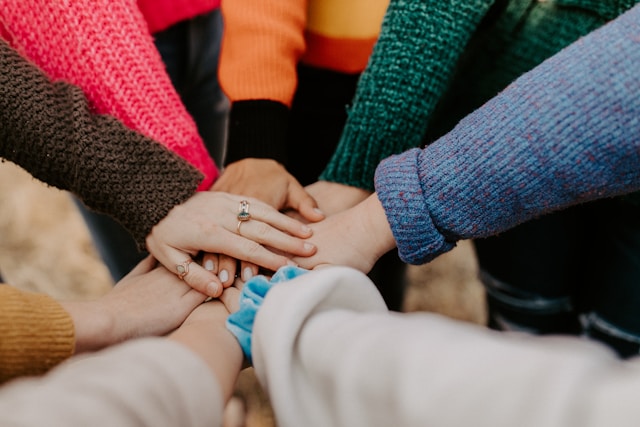
Feeling connected to others is a fundamental part of wellbeing, yet many people across Ipswich experience isolation at different stages of life. This can affect older adults, families new to the area, young people, carers, and individuals facing housing or life transitions. Community spaces play a vital role in reducing isolation by offering places where people can gather, participate, and feel a sense of belonging.
Well-designed community spaces do more than host activities. They create opportunities for everyday connection, shared experiences, and informal support. In Ipswich, organisations like You Me & Community help bring people together through inclusive programs that support social connection in ways that feel natural rather than forced. You can see how this approach works in practice.
Understanding how community spaces prevent isolation helps highlight why investing time in these places benefits individuals, families, and the wider community.
What does social isolation look like in local communities?
Isolation does not always mean being physically alone. Many people feel isolated even when surrounded by others, especially if they lack meaningful interaction or a sense of belonging.
In Ipswich, isolation can show up in everyday situations, such as parents spending long days at home with young children, older residents living independently, or people navigating housing changes or employment challenges.
Common signs of isolation
People experiencing isolation may:
- Have limited social interaction, particularly outside immediate family or carers.
- Feel disconnected from local activities, even when events are available nearby.
- Avoid social situations, due to confidence, mobility, or accessibility barriers.
Community spaces help address these challenges by offering consistent, welcoming environments where people can connect at their own pace.
Why community spaces are essential for connection
Community spaces provide more than a venue. They offer structure, familiarity, and opportunities for repeated interaction, which is key to building trust and relationships over time.
Unlike one-off events, regular programs allow people to see familiar faces, develop routines, and feel comfortable returning.
How shared spaces encourage belonging
Effective community spaces support connection by:
- Creating low-barrier entry points, so people can attend without specialised skills or commitments.
- Offering regular activities, which help relationships grow gradually.
- Supporting diverse needs, ensuring people of different ages, abilities, and backgrounds feel welcome.
This consistent presence helps reduce the sense of isolation that can develop when people lack places to connect locally.
How community programs support different life stages
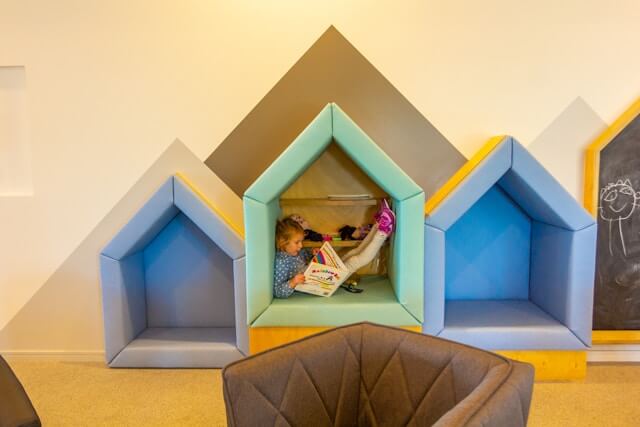
Isolation can affect people differently depending on their circumstances. Community spaces that offer varied programs are better equipped to support individuals across life stages.
You Me & Community designs programs that reflect these differences, ensuring spaces remain relevant and accessible.
Supporting families and children
For families, community spaces provide opportunities for both children and adults to connect with others.
These spaces help by:
- Giving children opportunities to socialise, supporting emotional and social development.
- Creating informal support networks for parents, especially those new to the area.
- Offering structured activities, which help families feel comfortable attending regularly.
Family-friendly events and celebrations, including options like kids birthday party Ipswich, help build relationships that often extend beyond the activity itself.
Supporting individuals facing housing or life transitions
Periods of housing uncertainty or change can significantly increase feelings of isolation. Community spaces often act as safe points of connection during these times.
In Ipswich, You Me & Community provides information and pathways to support through services such as housing vacancies, helping individuals and families stay connected while navigating change.
The role of structured activities in reducing isolation
While informal gatherings are valuable, structured activities play an important role in supporting people who may feel unsure about joining social spaces.
Planned programs remove the pressure of initiating conversation, allowing connection to happen naturally through shared activity.
Why structure matters
Structured community activities:
- Provide a clear purpose for attendance, making it easier to take the first step.
- Encourage participation through shared focus, such as craft, movement, or learning.
- Support routine, which is especially helpful for people rebuilding confidence.
Seasonal events, workshops, and regular sessions help create consistency, which strengthens long-term connection.
How inclusive design makes community spaces more effective
Inclusion is central to preventing isolation. Community spaces must consider accessibility, sensory needs, and cultural diversity to truly support connection.
Spaces that are flexible and welcoming encourage broader participation.
Elements of inclusive community spaces
Inclusive spaces often feature:
- Clear layouts and signage, helping people feel comfortable navigating the environment.
- Flexible participation options, allowing individuals to observe before joining in.
- Supportive staff and volunteers, who create a welcoming atmosphere without expectation.
You Me & Community’s approach to inclusion is reflected across its programs and facilities, ensuring people feel supported rather than singled out.
Community outreach as a bridge to connection
For some individuals, attending a community space can feel daunting without encouragement or support. Community outreach plays a key role in bridging this gap.
Outreach programs help connect people to services and activities that match their needs and interests.
Through community outreach, You Me & Community supports individuals who may otherwise remain disconnected, helping them engage with local programs and build meaningful relationships.
Why community spaces matter for long-term wellbeing
Reducing isolation has benefits that extend beyond social connection. Regular participation in community spaces supports mental wellbeing, confidence, and resilience.
People who feel connected are more likely to:
- Engage in local activities, strengthening community networks.
- Seek support when needed, reducing long-term challenges.
- Develop a sense of purpose, which supports overall wellbeing.
Community spaces act as preventative support, helping people stay connected before isolation becomes entrenched.
The broader impact on Ipswich communities
When individuals feel connected, communities become stronger. Community spaces help create neighbourhoods where people look out for one another and feel invested in their surroundings.
This shared sense of belonging supports:
- Stronger local networks, making communities more resilient.
- Improved access to support services, through trusted relationships.
- Greater participation in community life, benefiting everyone.
Ipswich benefits from community spaces that prioritise inclusion, consistency, and connection.
Strengthening connection through everyday participation
Preventing isolation does not always require major interventions. Often, it starts with small, regular moments of connection in welcoming spaces.
Community spaces give people permission to show up as they are, engage at their own pace, and build relationships over time.
If you are looking to connect with local programs, events, or support services, You Me & Community offers a range of opportunities across Ipswich. To discuss programs, access information, or explore ways to get involved, you can reach out to us. The team can help you find community spaces that support connection and wellbeing for you or your family.